
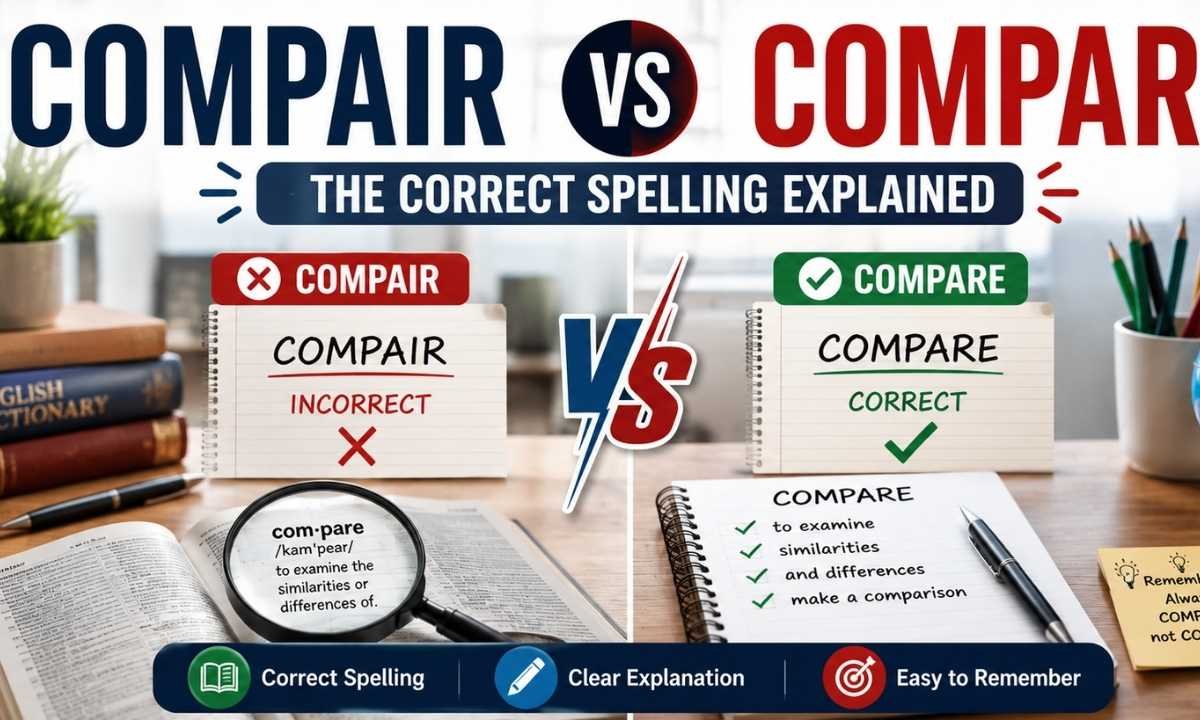
Many English learners and even native speakers pause when typing this word, unsure whether it ends in “pare” or “pair.” Compair vs Compare can be confusing because the word sounds a lot like other terms that end in an “air” sound, which tricks the brain into typing the wrong letters.
The short answer is simple: compare is the only correct spelling, while compair does not exist in standard English dictionaries. This Compair vs Compare guide breaks down the meaning, correct usage, grammar forms, and simple memory tricks so you never second-guess this word again.
Compare Is the Only Correct Spelling
Dictionaries, style guides, and grammar checkers all agree on one point: compare is the accepted form in both American and British English. Compair is not listed as a variant spelling anywhere, which means it is a straightforward typing error rather than a regional or informal version of the word.
The word compare comes from the Latin root comparare, which combines com meaning together and parare meaning to prepare or arrange. This origin explains why the word ends in pare rather than pair, since it shares its root with words like prepare and disparate.
What Does Compare Actually Mean?
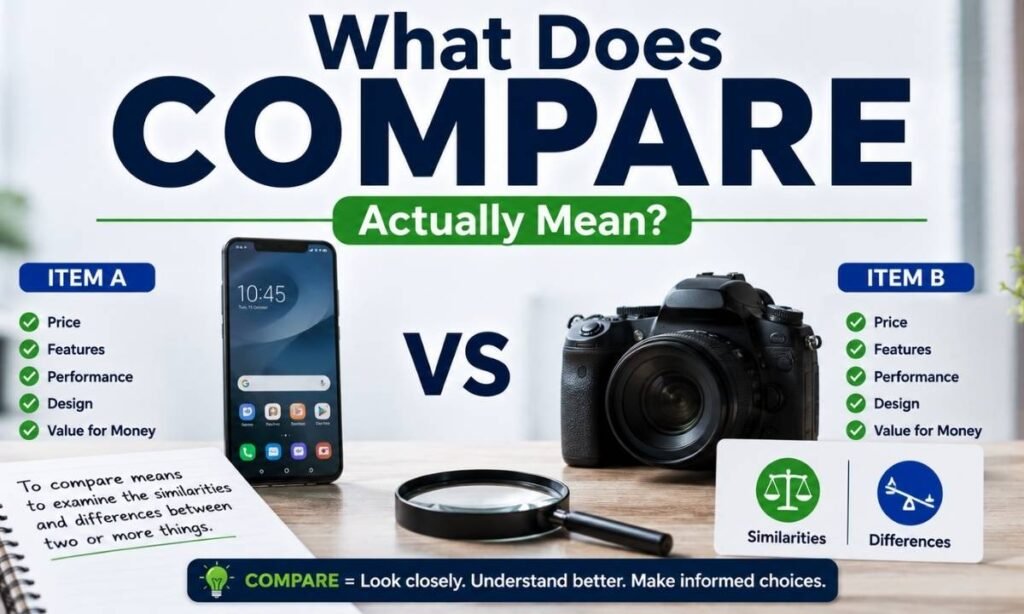
At its core, compare means to look at two or more items, ideas, or people side by side to notice how they are similar or how they differ. It is one of the most commonly used verbs in everyday conversation, academic writing, and business communication.
Common ways compare is used:
- Comparing prices before making a purchase
- Comparing job offers or salaries
- Comparing test scores or grades
- Comparing product features or specifications
- Comparing opinions or perspectives on a topic
Compair vs Compare: Side-by-Side Breakdown
| Feature | Compare | Compair |
| Dictionary status | Valid, standard word | Not a recognized word |
| Word origin | Latin comparare | No linguistic origin |
| Usage in formal writing | Correct and expected | Incorrect, should be avoided |
| Common cause | N/A | Sound-alike confusion with “pair” |
| Recommended use | Always use this spelling | Never use this spelling |
Why This Spelling Mistake Happens So Often?
The Sound of the Word Misleads Writers
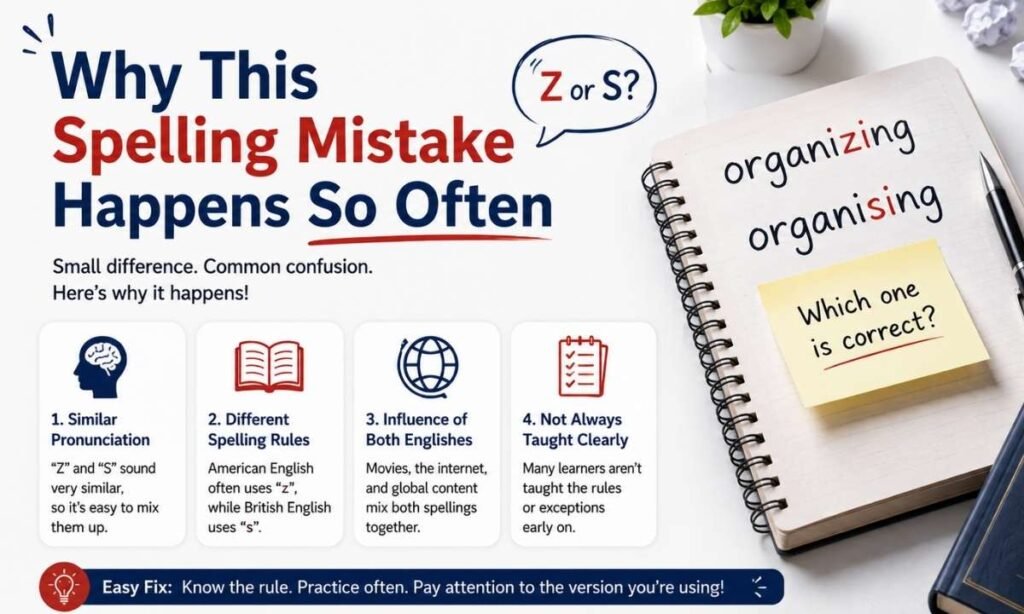
When spoken quickly, the ending of compare can sound close to words like fair, pair, or chair. Since these words end in “air,” some writers assume “compare follows the same pattern, even though the spelling rules are different.
People Mentally Link It to the Word Pair
Because comparing usually involves two items, some writers subconsciously connect the meaning to the word pair. This mental shortcut feels logical, but spelling and meaning do not always follow the same path in English.
Autocorrect and Fast Typing Contribute to the Error
On mobile keyboards, letters are close together, and predictive text sometimes fails to catch this specific error since compair can still resemble a real word structure. Typing quickly without proofreading is one of the biggest reasons this mistake spreads online.
A Simple Trick to Remember the Correct Spelling
The easiest way to lock in the correct spelling is to connect compared with its close relatives that share the same ending.
Words that share the same “pare” pattern:
- Prepare
- Comparison
- Comparable
- Comparative
- Disparate
Since none of these related words use “pair,” remembering just one of them can help you recall the correct ending for comparison every time you write it.
Compare in a Sentence: Real Usage Examples
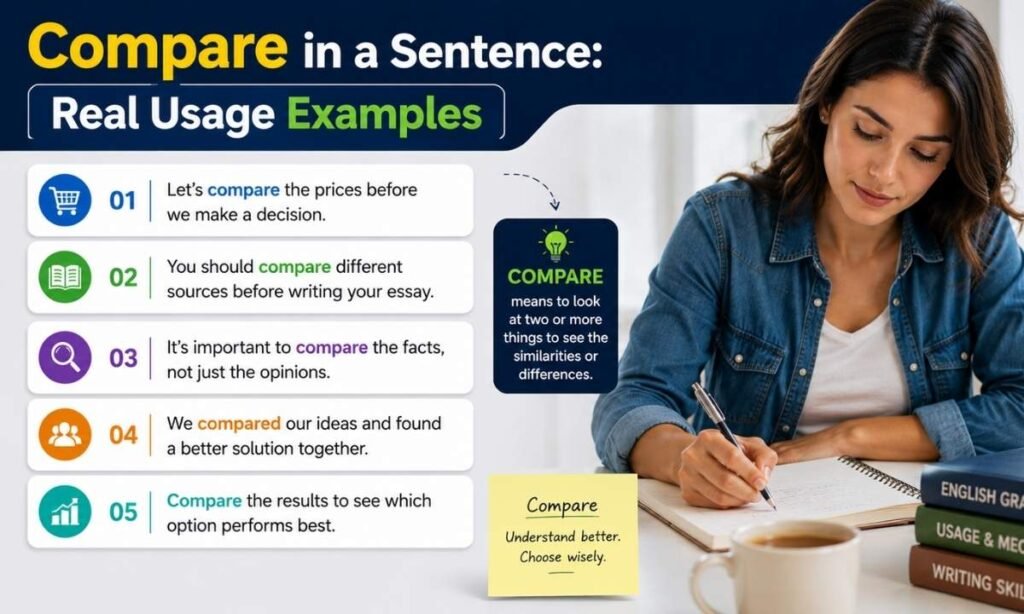
Seeing the word in context makes it easier to remember the correct spelling and understand natural sentence flow.
Everyday examples:
- Let us compare these two laptops before buying one.
- She likes to compare restaurant reviews before booking a table.
Academic examples:
- The professor asked students to compare the two historical events.
- This essay compares the economic policies of both countries.
Professional examples:
- The team compared last year’s revenue with this year’s numbers.
- Customers can compare subscription plans on the pricing page.
Also Read This: Faring vs Fairing: The Complete Guide to Using Each Word Correctly
Grammar Forms of Compare You Should Know
| Form | Word | Example |
| Base verb | Compare | I compare the two designs daily. |
| Past tense | Compared | We compared the results yesterday. |
| Present participle | Comparing | She is comparing both offers now. |
| Noun form | Comparison | The comparison showed a clear winner. |
| Adjective form | Comparable | Both products are comparable in quality. |
Compare To vs Compare With: What Is the Difference
Many writers also mix up how compare is paired with prepositions.
Compare to is typically used when highlighting similarity between two different types of things, almost like a metaphor. For example, writers often compare life to a journey.
Compare with is generally used when examining two similar things in detail to find specific differences, such as comparing one smartphone model with another.
In modern usage, both forms are widely accepted, and native speakers often use them interchangeably without changing the intended meaning.
Compare vs Contrast: A Quick Clarification
Compare and contrast are related but not identical. Compare looks at both similarities and differences between items, while contrast focuses specifically on the differences alone. For instance, comparing two smartphones might include their similar screen sizes and different battery life, while contrasting them would focus only on what sets them apart.
Synonyms and Related Words for Compare
Expanding vocabulary around this word can also help writers avoid repetition in longer content.
Common synonyms:
- Evaluate
- Examine
- Assess
- Analyze
- Weigh
- Contrast
Related word forms:
- Comparison
- Comparable
- Comparatively
- Incomparable
How to Avoid This Spelling Mistake Permanently?
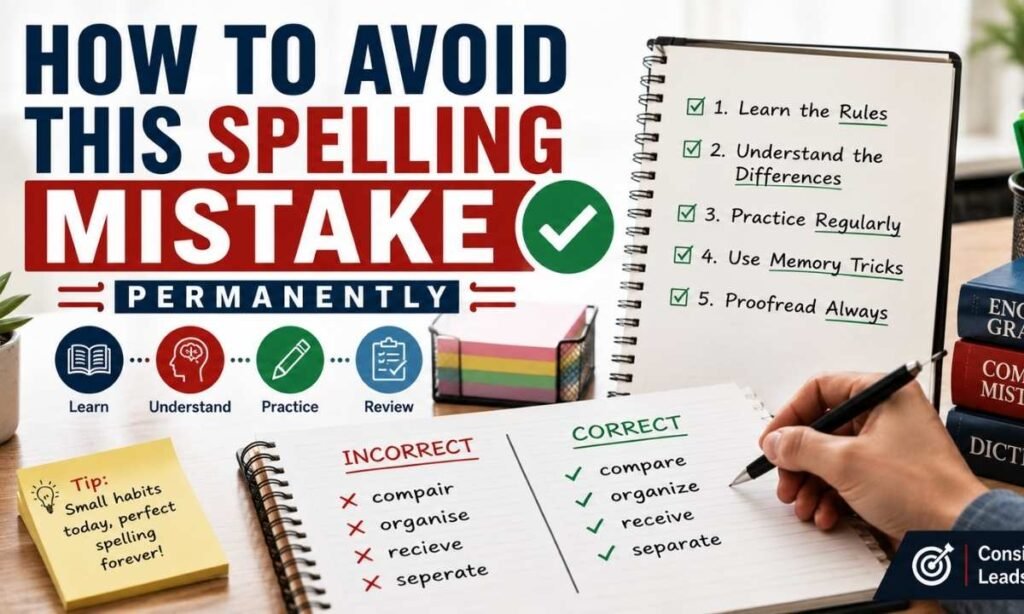
- Always proofread written content before publishing or sending it
- Use a grammar checking tool for professional documents
- Practice writing the word alongside prepare and comparison
- Read the sentence aloud slowly to catch awkward spelling patterns
- Bookmark this guide as a quick reference when in doubt
Conclusion
Compare is the only correct spelling recognized in standard English, while compair remains a common but incorrect variation caused by pronunciation confusion and typing habits. By linking the word to its Latin root and similar terms like prepare and comparison, writers can permanently avoid this mistake in emails, essays, and professional documents. Whenever similarities or differences need to be examined, the rule stays simple: spell it compare, not compair.
Frequently Asked Questions
Is compare or compair the correct spelling?
Compare is the correct spelling. Compair is not a recognized English word.
Why do people write compair instead of compare?
It usually happens due to pronunciation confusion and its similarity to words ending in air.
What does the word compare mean?
It means examining two or more things to identify their similarities or differences.
What is the past tense of compare?
The past tense is compared, used for actions that already happened.
What is the noun form of compare?
The noun form is comparison, referring to the act of comparing things.
Is compair used in British English?
No, both American and British English use compare as the standard spelling.
What is the difference between compare and contrast?
Compare looks at similarities and differences, while contrast focuses only on differences.